






Introduction to Herbal Health Products
Ever stood in the supplement aisle and wondered what’s really in those little bottles labeled “natural” or “herbal”? You’re not alone. Herbal health products are becoming more popular by the day, especially for those who are chasing a more natural path to wellness.
In this article, we’re diving into what these products actually are, how they work, and why so many people are turning to plants for health support.
The History of Herbal Remedies
Ancient Roots and Global Traditions
Herbal medicine isn’t just a trend—it’s ancient wisdom reborn. Cultures like the Chinese, Egyptians, Greeks, and Indians were all using plant-based remedies centuries ago. Ayurveda and Traditional Chinese Medicine are living proof that herbs have long played a role in human health.
Transition to Modern Herbal Products
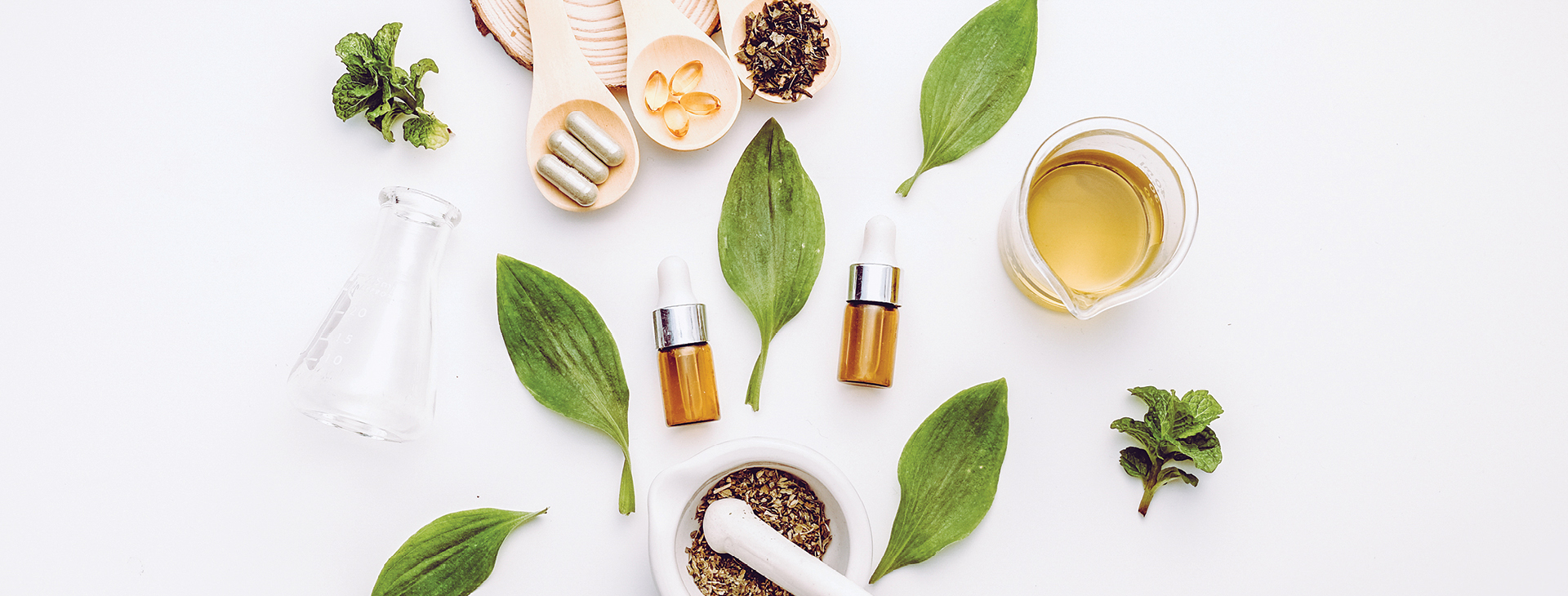
Fast forward to today, and we’ve got herbal health products in the form of capsules, teas, oils, and creams. While the packaging has changed, the concept remains the same: using nature to nourish and heal.
What Exactly Are Herbal Health Products?
Definition and Overview
Herbal health products are natural substances made primarily from plants. They’re used to support health and treat various ailments—without the chemicals you’d find in most synthetic pharmaceuticals.
Key Ingredients in Herbal Products
Common Herbs Used in Health Products
Think ginger, turmeric, ginseng, echinacea, and garlic. These herbs aren’t just for flavor—they’re packed with powerful compounds that can support digestion, immunity, and energy.
Natural Oils and Extracts
You’ll often see essential oils like lavender, peppermint, and tea tree oil. Extracts like milk thistle or ashwagandha are also common, offering concentrated benefits in smaller doses.
Types of Herbal Health Products
Herbal Supplements
Usually taken as capsules or tablets, these are designed to provide nutritional or medicinal benefits. For example, turmeric capsules are widely used for inflammation and joint pain.
Herbal Teas
Who doesn’t love a calming chamomile tea or a detoxifying dandelion brew? Teas are one of the simplest and most effective ways to consume herbs.
Herbal Skincare and Topicals
Aloe vera gels, lavender creams, and tea tree oil lotions—all aimed at soothing the skin, reducing inflammation, or promoting healing.
Herbal Tinctures and Oils
Tinctures are alcohol-based herbal extracts that are potent and fast-acting. Herbal oils are typically used for massage or skin therapy.
How Herbal Health Products Work
Supporting the Body’s Natural Healing
Unlike synthetic drugs that override your body’s signals, herbal remedies support your body’s own healing processes. It’s like giving your system a gentle nudge instead of a hard shove.
Strengthening the Immune System
Many herbs, like echinacea and elderberry, are famous for giving your immune system that extra push, especially during cold and flu season.
Benefits of Using Herbal Health Products
Fewer Side Effects
One big reason people switch to herbal health products is the lower risk of side effects. Since these products are plant-based, your body tends to handle them better.
Holistic Wellness
Herbs often treat the root cause rather than just the symptoms. They promote balance in the mind, body, and spirit—something modern medicine sometimes overlooks.
Are Herbal Products Safe?
Importance of Proper Dosage
Just because something’s natural doesn’t mean you can’t overdo it. Taking too much of any herb—even a common one—can lead to adverse effects.
Quality and Certification
Always choose products that are certified organic, non-GMO, or third-party tested. This ensures purity and potency, and keeps you away from harmful additives.
Who Should Use Herbal Health Products?
For Preventive Care
If you’re looking to maintain good health and ward off illness, herbal products can be a great addition to your daily routine.
Managing Chronic Conditions
People dealing with issues like arthritis, insomnia, anxiety, or even high blood pressure often find relief with herbs—sometimes in combination with traditional treatments.
Things to Consider Before Buying
Reading Labels Carefully
Pay attention to what’s not in the product too—like fillers, preservatives, or artificial ingredients.
Consulting a Healthcare Professional
Especially if you’re pregnant, nursing, or taking prescription meds. Always talk to your doctor before adding herbs to your regimen.
How to Choose the Right Product
Identify Your Needs
Feeling low on energy? Try ginseng. Trouble sleeping? Chamomile or valerian root might help. Match the product to your personal health goals.
Trusted Brands and Sources
Stick to brands with transparent sourcing and good customer reviews. Trust matters when it comes to what you’re putting in—or on—your body.
Myths and Misconceptions About Herbal Health Products
Myth: Natural Means Harmless
Not true. Poison ivy is natural too—but you wouldn’t want to rub it on your skin! Respect herbal remedies and follow instructions.
Myth: All Herbal Products Are the Same
They’re not. One brand’s turmeric capsule might contain 95% curcuminoids, while another has barely any active ingredients. Always check the labels and certifications.
Future of Herbal Health Products
Trends in Natural Wellness
Consumers are shifting toward clean, green, and organic wellness solutions. Expect to see more innovation in packaging, formulations, and delivery methods.
Scientific Backing and Research
There’s growing research backing the effectiveness of herbal remedies. Clinical trials and lab studies are slowly catching up to what our ancestors already knew.
Conclusion
Herbal health products are more than a wellness trend—they’re a return to roots, a reconnection with nature’s pharmacy. Whether you’re sipping herbal tea or popping an ashwagandha capsule, you’re taking steps toward a more natural, balanced lifestyle.
But remember—natural doesn’t mean careless. Do your research, consult with experts, and listen to your body.
Want quality, trusted herbal health products?
Check out HerbalHealthProducts.co.nz – your source for organic, safe, and effective wellness solutions.
FAQs
- Are herbal health products FDA approved?
Not usually. In most countries, including the US, herbal products are regulated as dietary supplements, not drugs—so they aren’t evaluated for efficacy by the FDA. - Can I take herbal supplements with my medication?
Possibly, but it’s essential to consult your doctor first. Some herbs can interact with medications like blood thinners or antidepressants. - How long does it take for herbal health products to work?
It varies. Some herbs work within hours (like valerian for sleep), while others, like turmeric, might take weeks to show full effects. - Are herbal health products safe for kids?
Some are, but not all. Always check age recommendations and consult a pediatrician before giving any herbal product to children. - Can I use multiple herbal health products at once?
Yes, but use caution. Combining herbs without guidance can lead to unwanted effects. Consider speaking with an herbalist or naturopath.