






Introduction
Acne scars can be stubborn little reminders of skin battles we’ve fought—and sometimes lost. But what if the answer to clearer skin is already in your kitchen? If you’re diving into the world of natural remedies, you’ve probably heard the buzz about the turmeric face mask for acne. Well, it’s not just hype—it actually works!
Let’s talk about how you can harness the magic of turmeric to heal your skin, one face mask at a time.
Why Turmeric is a Skincare Powerhouse
The Science Behind Turmeric
Turmeric isn’t just a spice your grandma adds to curry—it’s loaded with curcumin, a bioactive compound with powerful anti-inflammatory and antioxidant properties. These qualities make turmeric a game-changer in skincare.
Key Benefits for Acne and Scars
- Reduces inflammation: Helps calm down red, angry pimples.
- Fades hyperpigmentation: Helps even out skin tone.
- Prevents breakouts: Antibacterial properties keep future acne at bay.
- Heals damaged skin: Speeds up your skin’s natural healing process.
What Causes Acne Scars?
Acne scars form when inflamed blemishes damage the skin tissue. Your body jumps into repair mode, but sometimes it overcompensates, leading to scars—either depressed (atrophic) or raised (hypertrophic). Add to that post-inflammatory hyperpigmentation (the dark spots acne leaves behind), and you’ve got the full scar menu.
How Turmeric Helps Fade Acne Scars
Anti-inflammatory Action
Turmeric soothes the skin by reducing swelling and redness. If you’re dealing with acne and its aftermath, turmeric helps cool down the inflammation that makes scars worse.
Skin Brightening Properties
Turmeric’s natural ability to lighten pigmentation makes it a solid go-to for fading acne scars and dark spots. It helps bring back your skin’s glow—no Instagram filter needed.
Preparing for a Turmeric Face Mask
Patch Test – Why It’s Important
Before slathering turmeric all over your face, do a patch test. Apply a bit on your inner arm, wait 24 hours, and make sure there’s no reaction. Turmeric is safe for most people but better safe than sorry.
Choosing the Right Ingredients
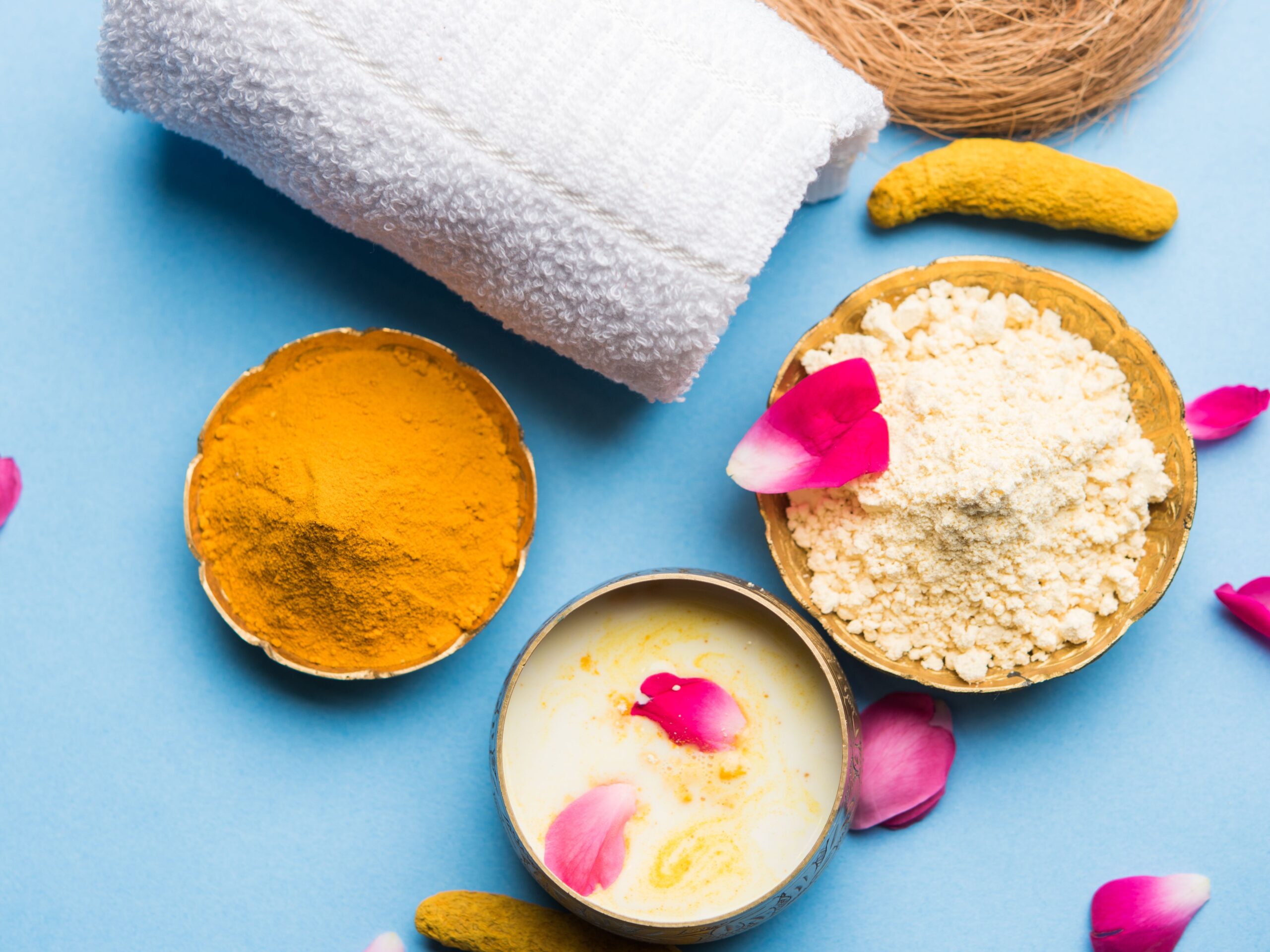
Go for organic turmeric powder. Avoid the cooking kind from grocery shelves—it might contain additives. Pair it with skin-loving ingredients like honey, yogurt, or aloe vera to enhance the effects.
DIY Turmeric Face Mask Recipes for Acne Scars
Ready to mix up some magic? Here are tried-and-true recipes to get you started.
Classic Turmeric + Honey Mask
Ingredients:
- 1 tsp turmeric powder
- 1 tbsp raw honey
Why it works: Honey is naturally antibacterial and helps retain moisture.
Use: Leave on for 10–15 minutes, then rinse with lukewarm water.
Turmeric + Yogurt + Lemon Mask
Ingredients:
- 1 tsp turmeric
- 1 tbsp plain yogurt
- ½ tsp lemon juice
Why it works: Yogurt soothes skin, and lemon fades spots (just use sunscreen afterward).
Turmeric + Aloe Vera Mask
Ingredients:
- 1 tsp turmeric
- 2 tbsp fresh aloe vera gel
Best for: Sensitive and Inflamed Skin
Aloe vera calms the skin and reduces redness. This combo is perfect for post-breakout care.
Turmeric + Apple Cider Vinegar Mask
Ingredients:
- 1 tsp turmeric
- 1 tbsp ACV
- A few drops of water (to dilute)
Best for: Oily and Acne-Prone Skin
Apple cider vinegar balances your skin’s pH and tackles acne-causing bacteria.
How to Apply a Turmeric Mask the Right Way
Step-by-Step Application Guide
- Cleanse your face gently.
- Mix ingredients into a smooth paste.
- Apply evenly using clean fingers or a brush.
- Let it sit for 10–15 minutes.
- Rinse thoroughly with lukewarm water.
- Follow up with your favorite moisturizer.
Tips to Avoid Staining Your Skin
- Mix turmeric with yogurt or oil to reduce staining.
- Use a gentle toner afterward to remove any yellow tint.
- Avoid white towels—unless you like golden ones!
How Often Should You Use It?
For best results, use the turmeric face mask for acne scars 2–3 times a week. Consistency is key, but don’t overdo it—too much of anything (even turmeric) can irritate your skin.
Realistic Results: What to Expect
Don’t expect overnight miracles. With regular use, you might see improvements in:
- Texture (smoother skin)
- Tone (reduced pigmentation)
- Breakouts (less frequent)
You’ll likely notice changes within 3–4 weeks of consistent use.
Turmeric Face Mask: Precautions & Side Effects
- Always patch test.
- Avoid using turmeric masks right before an event—it may leave a yellow tint temporarily.
- If you have rosacea or super-sensitive skin, consult a dermatologist first.
Store-Bought vs. Homemade: Which is Better?
Homemade masks are:
✅ Cheaper
✅ Customizable
✅ Free from preservatives
But if you’re short on time, store-bought turmeric face masks can also be effective—just read the labels and avoid artificial additives.
Final Thoughts
If you’re struggling with acne scars and want a natural, affordable, and skin-friendly solution, turmeric might just become your best friend. It’s not a magical fix, but with regular use and a little patience, this golden spice can help your skin glow like the sunrise. So go ahead—open your pantry and give your skin the love it deserves.
FAQs
Q1: Can I use turmeric face mask every day?
A: Not recommended. 2–3 times a week is ideal to avoid irritation.
Q2: Will turmeric stain my skin permanently?
A: No. The yellow tint is temporary and can be removed with a gentle cleanser or toner.
Q3: Can turmeric face masks remove active acne too?
A: Yes, turmeric’s antibacterial and anti-inflammatory properties can reduce pimples and calm the skin.
Q4: How long does it take to see results on acne scars?
A: Results vary, but many users report visible improvements within 3–4 weeks of consistent use.
Q5: Is turmeric safe for all skin types?
A: Generally yes, but always do a patch test, especially if you have sensitive skin.
🔗 Looking for organic turmeric skincare products? Discover natural solutions for glowing skin at herbalhealthproducts.co.nz—your trusted source for herbal wellness.
Explore our curated collection of turmeric-based face masks, oils, and serums designed for acne-prone skin.