






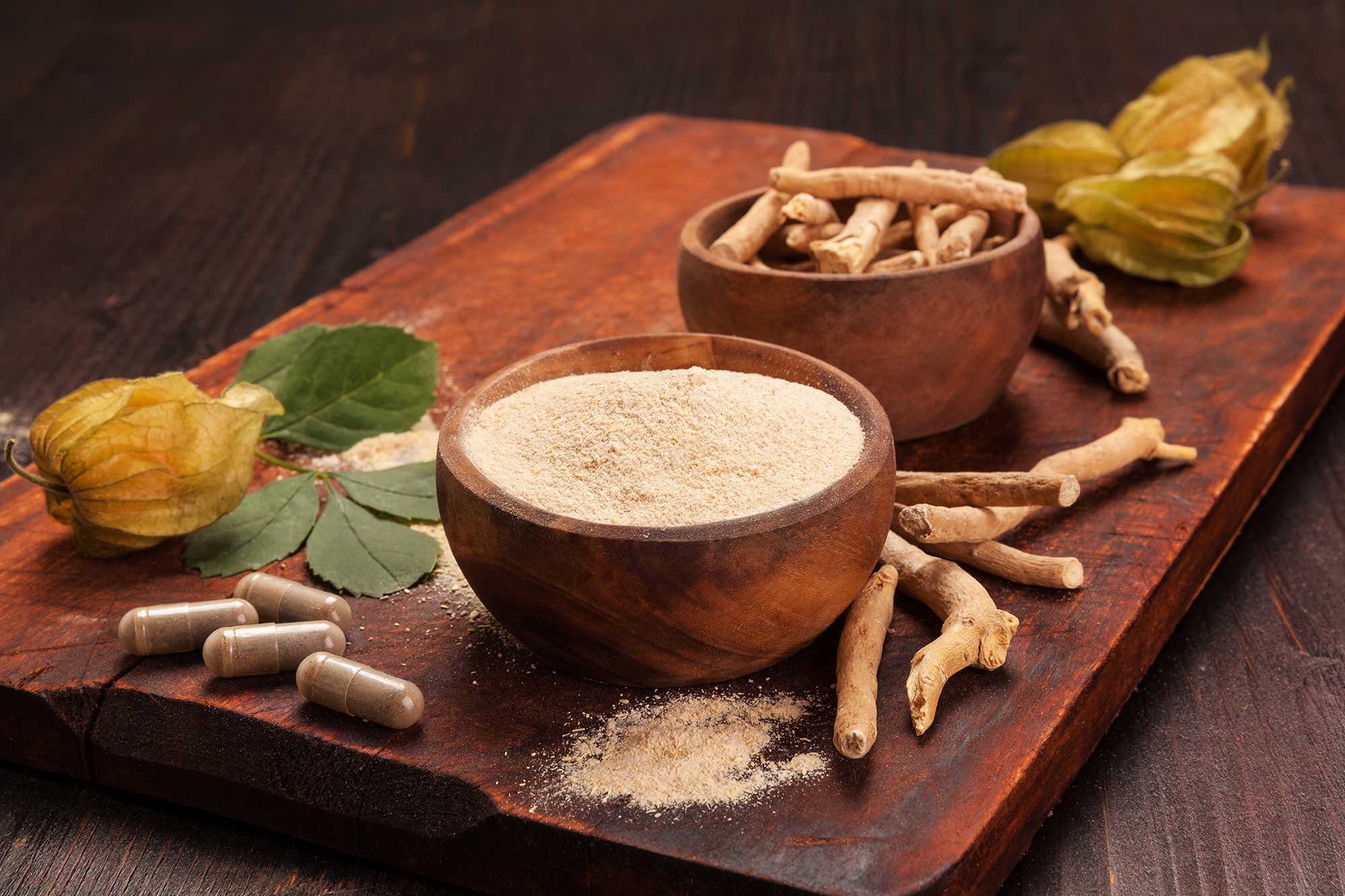

Feeling like you’re stuck in a constant loop of stress and exhaustion? Ashwagandha might be your herbal sidekick to break that cycle. Let’s unpack how this ancient root helps with adrenal fatigue and how to use it without the guesswork.
What is Adrenal Fatigue?
Let’s be real—modern life is draining. Deadlines, bills, sleepless nights—it all adds up. While adrenal fatigue isn’t officially recognized by conventional medicine, it’s a buzzword in the wellness space for a good reason.
When your body’s stress response stays “on” for too long, your adrenal glands can’t keep up. The result?
- Low energy
- Mood swings
- Cravings (especially salty stuff)
- Trouble sleeping
- Brain fog
Enter ashwagandha adrenal fatigue relief—nature’s way of helping you hit the reset button.
Meet Ashwagandha: The Ancient Stress Fighter
A Glimpse into Ayurvedic Roots
Ashwagandha (Withania somnifera) has been used for over 3,000 years in Ayurvedic medicine to boost energy, reduce stress, and improve overall vitality. Its name literally means “smell of the horse,” symbolizing its ability to restore strength.
Key Compounds in Ashwagandha
Its power lies in compounds like withanolides—natural chemicals that have anti-inflammatory, antioxidant, and adaptogenic effects (which basically means they help your body adapt to stress).
Ashwagandha and Adrenal Fatigue: What’s the Connection?
Cortisol Balancing Explained
Think of cortisol as your body’s internal alarm system. In small doses, it’s helpful. But when it’s constantly triggered? It leads to burnout. Ashwagandha helps bring those cortisol levels back into balance.
In fact, studies show that ashwagandha can reduce cortisol by up to 30%, making it a favorite adaptogen for adrenal support.
How Ashwagandha Supports the Nervous System
Ashwagandha works like a chill pill for your nervous system. It enhances GABA receptors (a calming neurotransmitter) and reduces overactivity in the hypothalamic-pituitary-adrenal (HPA) axis, which gets hyperactive during chronic stress.
Emotional and Physical Benefits
It doesn’t just help with mental stress—it also boosts physical stamina and resilience, making it perfect for those who feel mentally AND physically wiped out.
Top Health Benefits of Ashwagandha
Reduces Chronic Stress and Anxiety
This herb is well-known for reducing both general anxiety and stress-related symptoms—without causing sedation.
Improves Sleep and Recovery
Having trouble falling asleep or waking up tired? Ashwagandha promotes deeper, more restful sleep, especially when taken at night.
Enhances Energy and Focus
It’s weirdly energizing and calming at the same time—helping you stay alert without the jitters of caffeine.
Supports Hormonal Balance
Particularly helpful for women dealing with stress-related hormonal imbalances like PMS, PCOS, or irregular cycles.
How to Take Ashwagandha for Adrenal Fatigue
Recommended Dosage
Most studies show effective doses range from 300–600 mg per day of a standardized extract (with 5% withanolides).
Best Time to Take It
- Morning: If you’re feeling drained and sluggish.
- Night: If your stress hits hardest before bed or affects your sleep.
Some even take it twice daily—morning and evening—for round-the-clock support.
Forms: Capsules, Powders, Teas
- Capsules: Most convenient and consistent.
- Powders: Great in smoothies or golden milk.
- Teas: Milder effects, but great for calming rituals.
Side Effects and Safety Concerns
Ashwagandha is generally safe, but it’s not for everyone.
Who Should Avoid It?
- Pregnant or breastfeeding women
- People with hyperthyroidism (ashwagandha may stimulate the thyroid)
- Those with autoimmune conditions unless cleared by a doctor
Possible Drug Interactions
It may interact with sedatives, thyroid meds, and immunosuppressants. Always check with your healthcare provider if you’re on prescription meds.
Ashwagandha vs Other Adaptogens
Compared to Rhodiola
- Ashwagandha: Grounding, calming, supports sleep
- Rhodiola: Stimulating, energizing, better for mental sharpness
Compared to Licorice Root
- Ashwagandha: Balances cortisol without raising blood pressure
- Licorice Root: Helps hold onto cortisol, but can spike BP
Real Stories: People Using Ashwagandha for Adrenal Health
“I used to crash every afternoon. Since starting ashwagandha, I feel way more balanced and can actually think straight.”
“Sleep was the biggest win for me. I stopped waking up at 3 a.m. every night after two weeks on ashwagandha!”
While everyone reacts differently, most report noticeable effects within 2–4 weeks.
Best Ashwagandha Products to Try
What to Look For
- Standardized Extracts with 5% withanolides
- Organic and 3rd Party Tested for purity
- KSM-66 or Sensoril Extracts for consistency and potency
Some top brands include Gaia Herbs, Himalaya, and NOW Foods.
Conclusion
Ashwagandha might be small in size, but it’s mighty when it comes to stress relief and adrenal support. Whether you’re dealing with burnout, low energy, or hormonal chaos, this adaptogen can help bring you back into balance—without the crash and burn of stimulants.
Looking for a natural way to reclaim your energy and sanity? Ashwagandha adrenal fatigue support might be just what your wellness routine is missing.
FAQs
- How long does ashwagandha take to work for adrenal fatigue?
Most people feel subtle changes within 1–2 weeks, with full benefits in 4–6 weeks. - Can I take ashwagandha every day?
Yes, but it’s smart to cycle it—like 6 weeks on, 1 week off—to keep your body responsive. - Is ashwagandha better in the morning or night?
It depends on your symptoms. Morning for energy, night for sleep and calm. - Can I mix ashwagandha with other herbs?
Absolutely. It pairs well with Rhodiola, Holy Basil, and even Magnesium for stress support. - Does ashwagandha help with belly fat from cortisol?
Yes—by balancing cortisol, it may help reduce stress-related weight gain over time.
🌿 Explore pure, high-quality ashwagandha supplements and stress-relief blends at herbalhealthproducts.co.nz
💚 herbalhealthproducts.co.nz: Your trusted source for adrenal support and natural wellness solutions.